Parts of the coaxial cable: What exists, what each one is for, and their applications
3 minutes of reading
By GroupSumi
September 8, 2023
Coaxial cable is a type of transmission cable that consists of several concentric layers designed to efficiently and reliably carry electrical and data signals. Its unique structure allows it to minimize signal loss and reduce electromagnetic interference, making it a fundamental choice in various technical applications.
Coaxial cable is a type of transmission cable that consists of several concentric layers designed to efficiently and reliably carry electrical and data signals. Its unique structure allows it to minimize signal loss and reduce electromagnetic interference, making it a fundamental option in various technical applications.
Discover all its parts, what each one is used for, and their characteristics, below:
What Parts Does a Coaxial Cable Incorporate?
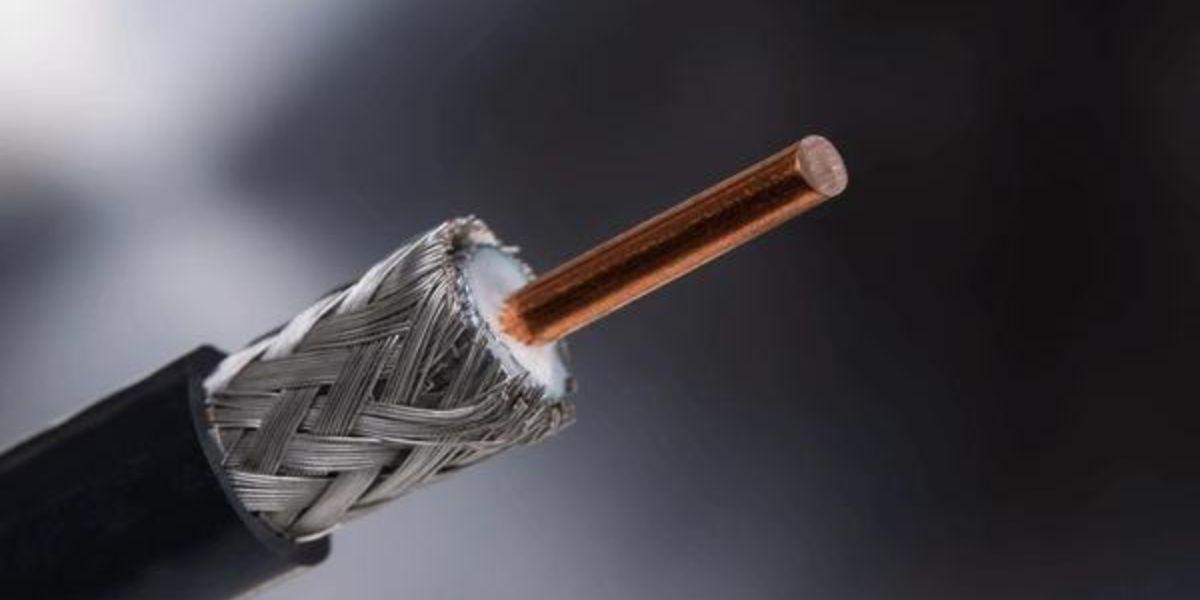
The coaxial cable consists of 4 internal parts, each with a specific function, whether it is to transport data, provide protection and insulation, or to enhance the quality of the data it supplies.
These layers or internal parts of the coaxial cable can be broken down into:
Inner Core
The inner core carries the electrical signal from the source to the destination. The choice of conductive materials ensures efficient signal transmission and minimizes losses. Furthermore, the size and shape of the core affect the characteristic impedance of the cable, which influences the quality of the transmission.
Materials: The inner core of the coaxial cable is generally made of copper or aluminum, due to their conductive properties. Copper is preferred for its high electrical conductivity and resistance to corrosion.
Dielectric
The dielectric electrically isolates the inner core and the shielding. This prevents electromagnetic interference between the layers and minimizes signal loss. Choosing a high-quality dielectric contributes to signal integrity and helps maintain accurate transmission.
Materials: The dielectric is made of non-conductive materials, such as polyethylene, polypropylene, or polyurethane. These materials have a low dielectric constant to maintain a constant separation between the core and the shielding.
Shielding
The shielding protects the cable from external electromagnetic interference. In the case of braided shielding, the intertwined wires form a barrier that blocks unwanted signals. The foil shielding creates a protective cover that wraps around the cable, further reducing interference.
Materials: The materials used in the shielding can vary. In the case of braided shielding, intertwined metal wires made of copper or aluminum are used. In foil shielding, thin metal sheets, such as aluminum or copper, are employed.
Conductor Layer
The conductive layer is generally made of copper or aluminum, just like the inner core and the shielding. These materials ensure electrical continuity and conductivity throughout the cable.
Functionality: The conductive layer completes the electrical circuit necessary for signal transmission. It also helps to prevent electromagnetic interference by absorbing and redirecting unwanted signals. Additionally, it contributes to the overall protection of the cable against moisture and other external elements.
Buy all types of Coaxial Cable, with different diameters, dimensions, and qualities at GroupSumi.
What Connectors Exist for Coaxial Cable?
F-Type Connector
The Type F connector is one of the most common connectors in the industry. It is characterized by its external thread that ensures a firm and secure connection. This connector is widely used in cable television systems, satellite antennas, and communication equipment.
Connection to the Coaxial Cable: The Type F connector screws directly onto the end of the coaxial cable. The connection process is simple: the user twists the connector onto the device or receiver input until it is securely tightened.
Typical Applications: The typical applications of the Type F connector include connecting coaxial cables to cable television decoders, television antennas, video signal transmission systems, and any device that requires a secure coaxial connection.
BNC Connector (Bayonet Neill-Concelman)
The BNC connector is known for its bayonet coupling mechanism, which allows for quick connection and disconnection without the need for tools. This feature makes it ideal for applications where frequent assembly and disassembly are required.
Use in Video Applications: The BNC connector is widely used in video applications, such as surveillance systems (CCTV), professional video transmission equipment, and high-definition monitors. Its robust and secure design ensures stable transmission of video signals.
Installation and Precautions: The installation of a BNC connector involves pushing and twisting the connector into place until it clicks. However, it is essential to keep in mind that BNC connectors must be properly aligned before twisting to avoid damaging the center pin.
Returns within 30 days
Shop with peace of mind. If something goes wrong, we'll take care of it.
After-sales service
Any questions? Our support team will be happy to help you.
Pay how and when you want
Card, bank transfer, PayPal... Installment? We have them all.
GroupSumi is your online distributor for construction, electrical material and climate control.





All rights reserved © 2026 GroupSumi